
Have you ever wondered why some people can quit drinking easily whilst for others it seems impossible?
There is a lot of debate surrounding the topic of alcohol addiction and whether it should be classified as a disease.
Some people believe that alcoholism is a result of genetics or other outside factors, while others insist that it is a choice that individuals make.
What if it’s neither?
What if you’ve been conditioned and brainwashed into drinking and the only way you can stop or cut down is if you change your programming?
I know many of you are thinking I am some sort of nutter right now. But hear me out. In this article, we will explore both sides of the argument and come to our own conclusion on the matter.
Alcoholism is a very real and serious problem. It can lead to financial ruin, job loss, relationship problems, and even death.
However, just because something is a serious problem does it mean that it should be classified as a disease? There are studies supporting both viewpoints.
The general definition of alcoholism also known as alcohol addiction, is a chronic disease of the brain that’s characterised by compulsive decision-making, impulsive behaviour and relapse.
It’s triggered by genetic and environmental factors, and it causes biological changes in the brain that make abstaining from alcohol nearly impossible without medical treatment.
Medical Intervention
If you think of Alcohol Addiction as a disease and accept the definition, then most people will tell you that the only way to get rid of or cure this condition is by going through doctors and drug companies. This is a big win for drug companies who stand to make a lot of money from treating alcoholism and alcohol-related problems.
I wrote a short article on 3 unconventional approaches which you can read here.
According to the WHO, there are 3.3 million alcohol-related deaths worldwide as well as a significant impact on the disabilities and poor health of millions of people. Overall, harmful use of alcohol is responsible for 5.1% of the global burden of disease.
Many professionals seem convinced we are never really free from alcohol addiction, instead we remain in remission (or “in hiding”) until the day comes when treatments fail or something else happens, which causes us to reach for the booze again.
We are never cured. We are all just waiting for our next relapse!
My friend believes in all these things too. He also says if either one of us falls back into addiction again, he’ll feel worse than before because now his soul has been taken away from him yet again.
Conditioning & Brainwashing
So, if alcoholism is not a disease, what is it?
Many experts believe that it is a choice and that individuals have free will. But is that really true?
Like it or not, we are all conditioned, so whether we have freedom around alcohol has to be questionable.
We are conditioned by our parents, by our teachers and schools, by society as a whole and by advertisers. You may think that you haven’t been conditioned when it comes to alcohol, but that is highly unlikely.
It’s harsh to say, but like a pedophile grooms kids, you’ve been groomed to accept alcohol. To give you some perspective take a look at the list below to see just how often you are encouraged to drink alcohol.
- Birth of a baby
- Announcement of a pregnancy
- Getting a job
- Leaving a job
- At a wake
- Celebrating the new year
- Celebrating your birthday
- Celebrating the birthday of a friend
- Moving house
- Buying a house
- Valentines day
- Graduating from university
- Going to university
- Getting engaged
- Getting married
- Getting a pay rise
- Being made redundant
- Christmas day
- Thanksgiving
- Having some good luck
- Relaxing on the beach on holiday
As you can see from this very tiny list, we have been conditioned to drink at every conceivable, possible life event. But this list is only the tip of the iceberg, because when you are a drinker, every day is a drinking day and every event, happy, sad or indifferent is a cause to raise a glass.
That, my friends, is conditioning.
I’d like to tell you a story about how easy it is to condition people. It’s a story about a famous American called Edward Bernays. He is known as the ‘Father of Public Relations’ and he was a nephew of the great Sigmund Freud.
Conditioning America
Bernays manipulated people on a large scale to change and influence their behaviour, and in doing so, boost the profits of his clients.
He is credited with manipulating American women into taking up smoking.
His client, Lucky Strike, wanted to expand their market and get women to smoke. There were a number of problems, the biggest being:
- Women didn’t like the green colour of the packet.
- Women didn’t like smoking.
- They weren’t allowed to smoke in public and in some states; it was illegal.
Bernays jumped into action and in less than 5 years, he had overcome all of those problems and manipulated women into smoking with a passion.
With the help of editors at Vogue and Harper’s magazine, women were sold on the concept that green was the new black.
A few top designers were brought in to produce outfits in the same shade as the Lucky Stripe packet to help condition women into accepting & liking the colour. By 1934 Bernays had created the Green Ball for top socialites to show off their green outfits and smoke their Lucky cigarettes.
To counter the problem of women not being allowed to smoke in public, he arranged for his secretary Bertha Hunt to step out from the New York Easter Parade of 1929 and brazenly light up in front of the press. They had been warned in advance of her activities and were ready to photograph the shocking behaviour. They had also conveniently been given leaflets supporting the cause.
It didn’t stop there.
He sponsored groups of debutantes to stand on street corners and light up their “torches of freedom” in this way, making smoking socially acceptable. And then in a stroke of genius he encouraged women to reach for a cigarette instead of a sweet so they wouldn’t get fat.
Job done!
His campaign had a massive impact and sales of cigarettes skyrocketed to $40 billion in 1930, compared to 14 billion 5 years earlier.
That’s how easy it is to condition a nation.
Changing Your Programme
You can re-programme yourself.
When you start to stop and question what is happening around you, you can take back your power.
Just by becoming aware of how much you are being conditioned can help you start to re-programme yourself and make better choices.
The most important thing to understand is that you now have a choice. You can choose to buy into the bullshit conditioning or you can choose to say no.
If you have counted the hours, days and minutes, you’ve been alcohol free in the past. Try a new approach. Don’t make alcohol the focus. Instead, focus your attention on what really matters — your conditioning.
Stop counting how many drinks you’re having. Instead ask better questions and figure out what’s prompting you to drink.
For example, when I used to sit down to watch Netflix, I began to notice just how often my favourite characters were drinking. They were consuming vast amounts of booze, yet I never saw them drunk, they never slurred their words and they never got hangovers. And if someone else got drunk, they were always disgusted.
You could argue that it’s all just fantasy; we know it’s not real. However, we learn by copying others. Watching other people drink will also make you want to drink, unless you become aware of it.
You are going to want to drink with them because that’s how you’ve been conditioned. When they say they need a drink and take a big, long slurp, you will want to do that too.
Instead of reaching for the booze, stop.
Switch focus.
When you focus on the booze, you are constantly thinking about it. But when you change focus and count how many times you are shown alcohol, you can start to understand just how much you are being influenced to drink.
When you understand this, you can make better decisions and choices. You can take control and responsibility and make a conscious choice. You can decide if you really want to give your hard earned cash to the fat cats in the alcohol & advertising industry.
No One Size Fits All
Finally, don’t beat yourself up if you have tried and failed to quit drinking.
Keep going because there is no one size fits all and now that you have some extra information, you are better prepared to reach your goals.
Alcoholics Anonymous founder Bill Wilson once said,
“No one ever got sober by accident.”
This implies you have a choice. Now you have more understanding of conditioning you have more power to make a change in your life.
There are many factors that can contribute to someone’s decision to become sober, but ultimately it is up to the individual to make that choice.
If you or someone you know is struggling with alcoholism, know that there is help available. There are many resources out there to support you on your journey to sobriety. Remember, recovery is possible for anyone who is willing to make the choice to get sober.
Live Strong, Love and Be Sober!
Join the Sober Revolution and sign up for our newsletter Here
More Quit Lit to keep you sober
kick alcohol with these 3 unconventional approache
3 things you stop doing when you give up alcohol
3 essential quit drinking strategies for self medi
Leave a comment Like Back to Top Seen 867 times Liked 0 times
x
Subscribe to Updates
If you enjoyed this, why not subscribe to free email updates ?
Subscribe to Blog updates
Alternatively, you can subscribe via RSS 
All email subscriptions must be confirmed to comply with GDPR.
Related Posts
Caryn G | 01st December 2022 | psychology
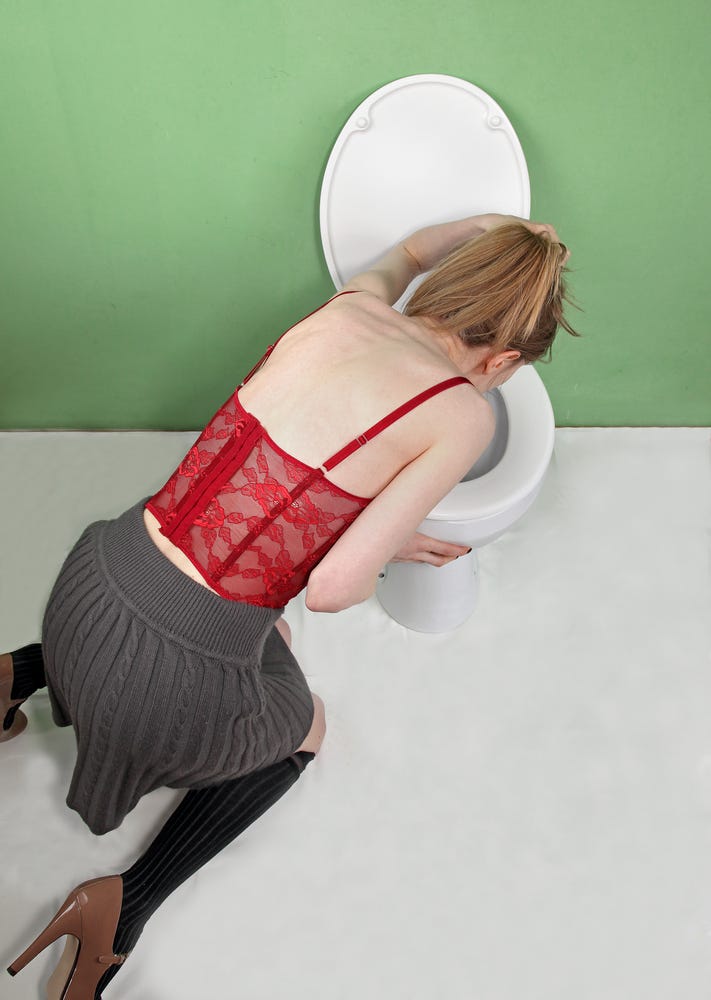
You don’t know you’re fighting for your life because you’re an idiot and you’ve lost the ability to see what a complete and total loser you have become. You think you’re just fighting for another drink because that’s the only movie playing in your head. There’s a bloody loud voice that’s screaming insistently in brutally blunt language “Drink!” “I want a drink!” “Will somebody please just give me a f*****ing drink!” Too sad. You chose to ignore reality and the giant warning signs along the path to the bottle of booze AKA poison. You forgot to read the small print that said, 100% guaranteed “End Your Life Hack.” Come on, let’s get honest here. You did ignore them, didn’t you? You chose to get drunk. You chose to have a hangover, you chose to wash, rinse and repeat and to become an alcoholic. Ttatty Was that a little harsh? I don’t think it was. I don’t think it was harsh enough. What I really should have said was wake up, you bloody idiot! What the hell are you doing to yourself? You are choosing alcohol over life. There is nothing, absolutely nothing, good about what you are doing. Sliding into that bottle every night is just a lack of imagination on your part and a huge act of cowardice! Wake up and grow a pair of balls for god’s sake. Develop the self-care skills you need to change your life and deal with problems in a way that doesn’t kill you and poison the lives of everyone around you. Stop telling yourself that your life sucks. Get out of the cage of fear and get some real help and real support. Find some people you can trust. People who don’t drink and who can see the world from a different perspective. Your Friends Suck Don’t hang around with the enablers. The people who are drinkers. Drinkers can’t give you any guidance. They drink for god’s sake! They can’t be honest with you because they don’t want to be honest with themselves. This is the brutal reality. You can’t trust them. They can’t tell you that you are drinking too much because then they would have to question their own drinking habits. They have a secret, vested interest in keeping you a drinker. It makes them feel better about themselves and their habits. They can only be superior if there is someone below them. You are that someone! The dirt beneath their feet. You make them feel normal and superior. They don’t want you to change because then they would have to look at their own drinking habits and no one wants to do that! use this mindset shift if you want to quit drinking The Alcohol Ladder Whether you like it or not, life is all about hierarchies. Other drinkers need you to have a drink problem. Hell, they secretly want you to have a big drink problem so they can maintain a higher position on the ladder. They need alcoholics so that they can distinguish themselves and pretend they don’t have a problem with alcohol. That’s why all drinkers need the dirty, smelly guys in the streets clutching their sad little bottle; the only cold comfort they have to stave off the harsh realities of life. The down and outs — God bless ’em. How we love them for being in the gutter and clutching their bottle of strong liquid meths. How superior they make us feel. They keep the whole damn pyramid scheme propped up. If it wasn’t for them, the heavy drinkers and the binge drinkers would have no one to look down on and everything would get a little more scary, a little more nasty and a little more real. So take a good long look at the person in the mirror. Then take a deep breath, thank them for all the valuable lessons they have taught you and then say goodbye to them because you’ve got work to do and it means you have to kick alcohol into touch. Walk away, pick up your pen and paper and write these ...
Caryn G | 21st August 2022 | psychology

You are the dumbest, smartest person you know. And when you quit drinking, you are going to realise just how dumb you have been. You’re going to realise what a complete and total moron you were for opening the door to alcohol. You might think this is a bit harsh. It’s not. The truth is once you quit drinking, reality is going to come knocking on your door and you’re going to have to face it. It won’t be easy. Your Drinking Life Revealed You’ll have to take a long, hard look at how you got where you are now. Some of you won’t want to do it because you know deep in your heart that it won’t be pretty. Trust me, I know I’ve been there and there’s a damn good reason they call it the ugly truth. If you want to move forward, you need to take a long, cool look at your past. It’s the only way to learn and grow. So take a moment and sit down to think about the choices you have made about alcohol and then make a list. What you discover will shock you & upset you as you write things like: Wasted a shed-load of money. Hell, I could’ve bought a house by now. Lost my memory when I blacked out. Had hundreds of conversations about things I couldn’t remember the next day. Said countless things I shouldn’t have. Drank so much that I damaged my body and needed to take time off work. Loved alcohol more than I loved myself. Prioritised booze instead of my life. Didn’t perform well at my job. Played small when I should’ve played big. This is not an inclusive list. Once you get started you will find it grows as you finally get honest with yourself and confess those deep dark drinking secrets. The Emotional Roller Coaster When you start to realise how alcohol screwed up your life, you’re going to feel angry. You’re going to feel mad at yourself for not quitting sooner. You’re going to feel so bloody angry that you lost so much of your life to some goddamn crappy, poisonous, chemical concoction that society conditioned you to believe was glamorous and necessary. That’s ok. Feel that anger. Really experience it and then do something you probably haven’t done before. Forgive yourself for not being the person you wanted to be. Put the old you firmly in the past and welcome the new you. Let the anger go and start to build a new, better future. It’s going to be emotional. Freedom From Alcohol No one wants to see how badly they have screwed up, but you got this. You’re a different person now, with a new perspective and a new life, and you have one thing you never had before. Freedom. When you quit drinking, you gain freedom of choice. You can choose what you put into your body. You are no longer a slave to alcohol. And because you don’t need booze, you don’t need all those unhealthy snacks you used to eat to soak up the drink. It’s not only your body that’s going to get healthier. Your emotions are going to stabilise, you’re going to feel more in control of your life and even better news your bank balance is going to improve too. Let your anger work for you, so you can move forward and create a better, brighter future. You can’t change the past, but you do have the freedom to design your new alcohol-free life. Start by taking a look at that list you made. Where you were playing small, take decisive action, be bold and play big. If you’ve let people down in the past, make a conscious effort to show up and keep your word. Respect yourself and respect your body. Focus on the change you want to be, understand that you may be a victim of the alcohol culture but also know it’s your responsibility to fix it. If it gets too much, reach out for help and everything else will flow from there. Live Strong, Love and Be sober Join the Sober Revolution and Sign Up HERE for more Quit Lit. Searching for more Quit Lit to help you quit drinking, be sober and enjoy sober living? Check out these popular articles on quit lit. 1 thing you notice once you sto...
Caryn G | 05th August 2024 | Health

Welcome to Join Sober: Your Guide to Thriving in an Alcohol-Infused World Welcome to Join Sober! If you have ever felt like you are swimming upstream in a culture completely obsessed with drinking, you are in the exact right place. This website is your dedicated sanctuary—a space filled with raw, unfiltered, and life-changing Quit Lit designed to help you reclaim your power, break free from the trap of alcohol, and finally start living the life you aspire to. Whether you are here because you are starting to question your relationship with alcohol, looking for actionable ways to stop, or seeking a massive upgrade in your personal growth, sobriety and happiness are closer than you think. It’s time to join the Sober Revolution. What You’ll Find on Join Sober To help you navigate your journey, our articles are grouped by exactly how you are feeling and what you need right now. Dive into our core pillars to get started: 1. Brutal Truths for the Sober Curious Before you can change your habits, you have to smash through the denial. In this section, we dive into the unvarnished realities of alcohol. We explore the profound impacts of drinking on your Physical Health—from disrupted sleep to toxic inflammation—as well as the deep Mental Health & Psychology of addiction, exposing the chemical anxiety ("hangxiety") and dopamine crashes that alcohol leaves in its wake. If you are ready to see alcohol for what it truly is, start here. 2. Strategies to Quit When you are ready to put down the glass, you don't need vague inspiration—you need practical, real-world tactics. This section is packed with actionable roadmaps and immediate coping mechanisms to help you survive the early days, set firm boundaries, and take back control of your life. 👉 Get started right now: [3 Essential Quit Drinking Strategies for Self-Medicating With Alcohol] 3. Dealing with Failure & Setbacks Let's be completely honest: recovery is rarely a straight line. If you have stumbled, relapsed, or felt the crushing weight of falling off the wagon, you are not alone, and you have nothing to be ashamed of. This corner of the site focuses heavily on emotional resilience and Self-Improvement. We unpack the psychological traps of shame and give you the tools to treat yourself with compassion, dust yourself off, and turn a setback into a setup for long-term success. 4. Life After Alcohol Sobriety isn't about deprivation; it's about absolute freedom. Here, we celebrate the incredible rewards of long-term sober living. We talk about navigating Sober Relationships, handling peer pressure at social events, finding your true identity, and building a meaningful life that you don't feel the need to escape from. 👉 See what's waiting for you: [1 Thing You Notice Once You Stop Drinking] Shift Your Mindset & Take the First Step The hardest part of giving up alcohol isn't changing what is in your glass—it’s changing how you think. If you want to successfully quit drinking for good, you have to stop viewing sobriety as a punishment and start viewing it as the ultimate promotion. 👉 Read our guide on how to flip the switch: [Use This Mindset Shift If You Want to Quit Drinking] Your sober journey begins the moment you decide you've had enough of living in a fog. Explore our Quit Lit, find the stage that matches your heart today, and let's build your alcohol-free dream life together. 🚀 Join The Sober Revolution Here ...
Caryn G | 19th August 2022 | Health & Psychology

It’s no secret that we live in a culture that encourages drinking. That's why you need keys to help you quit drinking. Whether it’s beer commercials during the match or wine pairings at a fancy restaurant, there are endless opportunities to drink alcohol and be rewarded with the approval of your friends, family, and colleagues to boot. And while there’s nothing wrong with enjoying a glass of wine or a cold beer on occasion, if you are reading this there’s a very good chance that your drinking is an issue, it’s no longer fun and it’s a habit you want to break. You are not alone. Understand Your Conditioning Many people find themselves drinking more than they intended. This is no surprise. This is an expected consequence of drinking alcohol. Alcohol manufacturers want you to do this. How else are they going to keep increasing their profits year after year? We drink more because we’ve been conditioned to believe that drinking is normal, and even necessary, in social situations. We’re taught that it’s rude to refuse a drink, and that alcohol is the best way to relax and have fun. We don’t question it because it’s what society expects of us. As a result, we often end up drinking more than we really want to. Sometimes it’s more than we can afford, not only in terms of money wasted but also in terms of our health. It might start off with hangovers after a night out when we really push the boat out with our friends, but then it starts to increase as we begin drinking more and more at home. You know it’s the wrong thing to do, but you just can’t break the cycle. Every night you tell yourself you won’t have a drink. But you do. You try to reason with yourself, but the truth is you broke another promise to yourself and the guilt and the shame are starting to eat you up inside and you don’t know how to climb out of the hole you are digging. Your will power has gone on permanent vacation and you just don’t have the strength to say no to a drink. If any of this sounds familiar, maybe it’s time to give yourself a break and try a different approach. Here’s 3 steps you can try to help you regain your power and live a healthier, happier life. Stop Trying To Use Willpower This may sound a little controversial and counterintuitive, but seriously if you want lasting results, you gotta master your programming first. Give up trying to rely on willpower alone. I tried for years to quit drinking by using my willpower, as did my mum. It didn’t work. The only thing I got was extra guilt and shame, both of which combined to make me feel like a loser. Willpower is only really effective when your body is fit and healthy and you are not stressed, tired or emotional. Until then Willpower is pretty ineffective in breaking down bad drinking habits and years of being conditioned to drink. Bolster Your Body & Mind Focus on filling your body with the good stuff before you try to cut out the bad stuff. This means drinking more water & eating plenty of fruits, vegetables, and lean proteins. It is also important to get enough healthy fats, such as Omega-three fatty acids. These nutrients will help to reduce inflammation in the body and support detoxification. If you aim to drink 1.5l of water a day, this will really help flush out the toxins from your system. We all know alcohol robs your body of essential vitamins and nutrients, which is why it’s really important to double up on the good stuff. Not only will it help to stabilise blood sugar levels and give you more energy, it will help to neutralise one of your hungers, which will make it easier to use your willpower to help you quit drinking. Details from the Sleep foundation Get More Sleep Easier said than done right? This is because alcohol really screws up the quality of your sleep. Not only do you have to keep getting up to go to the toilet there’s the additional problems of hot sweats as the liver gets to work to remove ...
Caryn G | 17th August 2022 | Self-Improvement

“When you want something, all the universe conspires in helping you to achieve it.” -Paulo Coelho There are many reasons why you might decide to cut back or quit drinking. You might want freedom of choice so you can control what you put into your body because you’re working on improving your health & fitness levels. Maybe you crave financial freedom, which means you need to stop wasting your money on booze and put it into your savings or start that business you always dreamed of. If you’re creative, maybe you’ve figured out that if you cut back on mindless drinking time, you would have more time-freedom to turn your dream into reality. Whatever your motivating factor is, you’re going to need some inspiration to keep you on track to achieve your goal. So let’s dive into some great inspirational quotes from people who know what it’s like to face challenges and succeed. “You are never too old to set new goals or to dream a new dream.” - C.S.Lewis It’s never too late to make a change in your life. I was 59 when I finally quit drinking and my friend was 73. We both had decades of alcohol history under our belt. We were masters in the f**cked up art of drinking. If you’re ready to quit drinking, you’re ready to quit! Young or old, age makes no difference. Prioritise your freedom and take your first step by making a decision to improve your health, wealth, & freedom of choice today. “The only way to do great work is to love what you do.” -Steve Jobs Find something that inspires you and use it as motivation to quit drinking. Look for something to fall in love with. This can be anything from jigsaw puzzles to skydiving. When you are engrossed in something you love, your desire for the booze fades. This is also a good time to fall in love with yourself. Recently, I attended a Wildfit coaching call. We were discussing the need to take care of our mind and body. One attendee explained it beautifully when she said, “Selfish is the new unselfish!” So get selfish and fall in love with yourself and life. If you’re passionate about something, then it will be easier to stay committed to quitting alcohol. So find your passion and use it to fuel your motivation! Get passionate about your new life, fall in love with yourself & picture the new you one year from now. Healthy, happy, sober! “The best way to find out if you can trust somebody is to trust them.” -Ernest Hemingway This is a big one. At some level, you probably don’t trust yourself. Maybe you don’t trust yourself to stay sober. Maybe you don’t trust yourself to make the right decisions in life. This is common amongst drinkers. We often start drinking out of a sense of lack, so it’s not surprising we don’t trust ourselves completely. Trust is built and not manufactured. Start building trust in yourself by taking baby steps. One small wise decision at a time, like a fresh homemade green vegetable juice before you go out to drink and a glass of water between drinks. Remember, the only failure is the failure to try. Everything else is market research. So trust yourself and believe in your ability to change your circumstances, your habits and your life.The more practice you get making wise choices, the better you become. In the future, you will look back and you won’t even recognise the person you are now. “Success is not final, failure is not fatal: It is the courage to continue that counts.” -Winston Churchill For most people, cutting back on the booze or quitting alcohol is a journey. Some people are lucky, they can make the decision to stop and give up the next day. There is no journey. They just teleport themselves into the future and adopt their future personality. People who do this often have the ability to make clear decisions in other areas of their life too. So when it comes to booze, they can make a clear distinction between the old self and the new, improved non-drinki...
Caryn G | 15th July 2022 | Self-Improvement

You want to kick alcohol, but it's just not that easy. The problem is alcohol has become a regular part of life. Whether it’s a couple of drinks with friends or a few beers while watching the game, alcohol is often seen as a harmless way to relax and have a good time. Until 1 year, 26 days and 11 hours ago, I was one of those people who thought alcohol was a good way to relax. However, for some people, drinking is a serious problem. And, if you’re reading this, the chances are some part of you knows that you need to make some life changes and better choices when it comes to drinking. When we’re struggling with alcoholism, quitting drinking may seem impossible. The chances are you’ve tried limiting the number of drinks you have or quit for an hour, a day, a week, only to go straight back to our old ways. All of which can really make us feel like a loser. Once a loser, always a loser? Wrong! It is possible to break the cycle of addiction and regain control of your life. I’ve done it and so have some of my friends. We each had a different journey, but we are all healthier, happier and wealthier because of it. It’s important to remember that when it comes to quitting the booze, there is no one size fits all. What worked for me may not work for you. You may find it hard, you may find it easy. Only you can judge because it’s your journey. The important thing is to keep going. If one method doesn’t work, don’t get discouraged. Try another until you find the perfect method for you. Remember, you’re not a loser just because one method didn’t work for you. You have simply completed some valuable research. Learn from it, tweak it and try again either with a new approach or a refined method. To help you on your way, here are 3 of the more unconventional methods you can research to help you quit drinking and stay sober. Permanent Reminder Consider a Tattoo. This may sound a bit extreme, but let’s face it: having a constant in your face reminder is one way to keep you focused. Having a tattoo reminder on your arm that you can see every day could be exactly what you need. This can be a simple visual aid, like a small cross or a date, or something more spiritual, like the words "be pure " or "freedom". The point is to create a visual prompt that means something to you. When you feel the urge to drink, you can look at it, touch it and remember why you want to quit or reduce the booze. In this way, not only will you be reprogramming your subconscious with a positive programme, it will help you to stay focused on your goal of sobriety or reduced alcohol intake. Let Your Subconscious Do The Work Hypnotherapy is another effective option for quitting drinking. Hypnotherapy can help to retrain our brain to think differently about alcohol and break the mental addiction. If you’re like most people, you’ve probably heard of hypnotherapy, but you’re not quite sure how it works. Hypnotherapy is a type of therapy that uses hypnosis to help people change their behaviour. During a hypnotherapy session, the therapist will guide you into a state of relaxation. Once you’re in this state, your brain becomes more receptive to suggestions relating to changes of behaviour. For example, if you’re trying to quit drinking, the therapist may suggest that you no longer find alcohol appealing. You can either find a hypnotherapist to work with or try one of the many audios you can find on the internet. It’s not going to harm you, and it may just work for you. The important thing to remember is to be open to change and just keep trying until you find something that works. Hang On Delayed Gratification is another tool that can be helpful in quitting drinking. This means learning to resist the urge to drink in the moment and instead focus on the long-term goal of sobriety. It can be difficult to stick to this plan, but it’s important to remember that each day or moment you resist the urge to drink...
Recent Posts
Caryn G | 22nd January 2025 | psychology & Mental health

Ashamed of your drinking habits and feeling like a spectacular failure? Maybe you’ve tried to quit many times but failed dismally. You’ve promised not to drink, only to cave in as soon as someone suggests a quick one. Maybe you didn’t need to be persuaded; you drank just to be defiant and bloody-minded and say “f**k it” to the world and all those judging you. I went down that road many times. It was a road full of potholes, and I fell in every damn one of them. Until one day, I woke up and knew which way to go. I knew how to avoid the potholes or jump out of them if I needed to. I would promise not to drink, and then 10 minutes later I had a glass of wine in my hand. Ashamed of your drinking habits and feeling like a spectacular failure? Maybe you’ve tried to quit many times but failed dismally. You’ve promised not to drink, only to cave in as soon as someone suggests a quick one. Maybe you didn’t need to be persuaded; you drank just to be defiant and bloody-minded and say “f**k it” to the world and all those judging you. I went down that road many times. It was a road full of potholes, and I fell in every damn one of them. Until one day, I woke up and knew which way to go. I knew how to avoid the potholes or jump out of them if I needed to. I would promise not to drink, and then 10 minutes later I had a glass of wine in my hand. Two mouthfuls later and I’d be shaking my head in disbelief and beating myself up for being a bloody-minded idiot and failing spectacularly. I’ve been sober for over 3 years and although I‘ve kicked alcohol, some of the old loser habits still linger. Take last night, for example; I know I should cut down on my sugar intake and give cakes and chocolates a wide berth. I thought about all the sugar I was consuming as I stuffed a sweet mince pie in my mouth. Then I thought, “Sod it!” and shovelled in another one. I didn’t need it, I didn’t want it and It didn’t make me feel good. I wasn’t happy. I was just miserable and disappointed in my failure. I felt sad and depressed as I realised I had kicked the drink but the old self-destructive habits still lingered. I was still failing. Was I addicted to failure? I mused. Maybe this is you. Maybe you feel like you no longer enjoy drinking; you don’t really want it, but you keep drinking anyway. It’s just what you do. Or, maybe you’ve quit but you’ve replaced alcohol with ice cream, cakes, chocolates and sweets and now you’re having a hard time quitting them. So what should you do when you’re addicted to failure? Understanding the Fear of Failure The fear of failing can be paralyzing. At worst, it could prevent you from doing what’s needed to quit drinking altogether. When we can understand a bit more about the psychology of our fears, we can take one giant step towards conquering them. Here’s a little insight into why we find it hard to succeed. Past Experiences: Previous attempts that ended in failure are often used by the subconscious to create negative narratives. We end up talking ourselves out of success and into failure. That nasty little voice in your head kills your chances before you even try by using phrases like these:- You can’t do it. You always fail. You only lasted 20 minutes last time! What makes you think it will work now? Your subconscious will use these phrases to convince you it’s useless to try. If this happens to you try flipping the script and ask empowering questions like, “How can I make it work this time?” Self-Doubt: Constantly battling negative thoughts about your abilities can undermine your confidence. When this happens it’s like you lose the will to live. You become so down that it seems pointless to even try and climb out. As my mum used to say when anything dented he...
Caryn G | 23rd December 2024 | psychology & Mental health

Mulled wine, the sound of clinking glasses, the joyous chatter of family and friends gathered together; this is the Christmas and New Year movie I played in my head for decades. While many looked forward to indulging in seasonal drinks, I found myself grappling with a growing desire to step away from alcohol — particularly during Christmas and the New Year. The urge to quit drinking was strong, but the pressure of societal expectations weighed heavily on my shoulders. My gut was screaming to stop the madness whilst my body yearned to wake up alcohol-free, feeling fresh and relaxed. But, if I stopped drinking at this festive time, wouldn’t it make me the world’s biggest party pooper? The Hangover Cycle I remember waking up on Boxing Day every Christmas with a heavy head and a mouth like sandpaper. The memories of the previous night’s revelries often blurred together as I sifted through the detritus of half-hearted attempts to enjoy myself. Each year, I vowed that this would be the last time I overindulge, yet the allure of festive cheer and the clinking glasses beckoned. The promise of laughter and merriment twinkled like a shining star in the night. Its brightness eclipsed the reality of hangovers — those grotesque mornings spent nursing a bad gut and bleary eyes. I was tired of looking in the mirror at someone who was a stranger to me. A person I despised for being weak and pathetic unable to control her drinking. I wanted to be someone else. Someone vibrant and healthy, not perpetually worn down, looking and feeling like it’s an effort to live. Never Happy After Alcohol? Beyond the immediate effects of hangovers, I came to realize how alcohol impacted my physical and mental health. Alcohol wasn’t just a temporary thrill; it wreaked havoc on my gut, disrupting digestion and leading to uncomfortable bloating, I was sure I would explode if someone were to stick a pin in me. Each drink chipped away at my well-being, leaving me feeling sluggish and unsatisfied. The late-night snacks and posh dinners that accompanied my festive drinking only amplified my discomfort. The days following a night out were filled with regret; not just because of the hangover but there was a growing sense of failure and a total disillusionment with my lack of self-discipline. The relationship I had with alcohol felt increasingly toxic. I wanted to break free from its chains, but the thought of refusing a drink brought a wave of anxiety that seemed to multiply during Christmas gatherings. It wasn’t merely the binge drinking that was tugging at my conscience; it was that desperate feeling of wanting to enjoy the festivities while simultaneously wishing to uphold my commitment to sobriety. Is There A Party Pooper In The Room? One of the most significant barriers to sobriety during the holidays is the fear of judgment from others. Christmas celebrations are inherently social, and alcohol is the lubricant that keeps the wheels of this societal fun turning. When I first quit, I worried that refusing a drink would lead to embarrassing questions or accusations of being a spoilsport. I had to face the wrath of the drinkers who could smell my vulnerability and susceptibility to alcohol. Comments like, “Oh, come on! Just have one!” or “You’re no fun anymore!” rang in my ears and if I’m honest, they hurt. I felt like I was an outsider and I didn’t belong. The thought of disappointing friends and family is daunting. I didn’t want to be that person who ruined the good times for everyone else, I didn’t want to be a party pooper. I had spent years learning how to fit into society and drink with the best of them, yet I knew that true fun shouldn’t revolve around alcohol. I’d witnessed my close friends’ reactions to others declining drinks — those confused lo...
Caryn G | 28th August 2024 | psychology & Mental health
You might think that the hardest part of quitting is missing alcohol. You would be wrong! There’s a dark side to being sober that people rarely talk about. The truth is, it can be uncomfortable being sober. There are all sorts of shadows lingering in the darkness waiting for you when you finally get sober. But it’s ok because if you were strong enough to decide to get sober, you’re strong enough to deal with the shadows. After all, everyone needs a hero’s journey because without one there is no happily ever after. “The privilege of a lifetime is being who you are.”― Joseph Campbell There are some dark shadows on the road to lasting sobriety. They’re not easy to deal with but that’s ok because facing them is easier and better than waking up every day feeling guilty because you broke your promise not to drink. It’s better than looking like you’ve been hit by a sledgehammer. Or worse still, wondering when it would be a reasonable hour to have a quick snifter or the hair of the dog. The Shadow of Grief The first shadow you’re going to have to deal with is the loss of your best friend. No, actually I’m wrong. The first uncomfortable truth is realising that alcohol was your best friend! That’s just not an easy truth to swallow. It can be shocking to discover that the only genuine attachment you have developed in your entire life is an attachment to alcohol. Booze, the only thing in your life that you loved and liked. Hell, you don’t even like or respect yourself because if you did, there is no way you would abuse your body, neglect your health or feed your soul with the rotting breadcrumbs of a life badly lived. When you realise that you no longer have a best friend, you’re going to experience feelings of grief. I want to be transparent here, because I believe if you know what to expect, then it’s less scary. You are going to realise just how big a deal alcohol was in your life. Not being able to drink or go out boozing is going to create a huge void which you will have to fill. You will feel like you have lost a loved one and for some of you it will hurt like hell. The good news is now that you are no longer a slave to alcohol, you get to choose what and who you fill that void with. This is harder than it sounds, so start with yourself. Make an effort to love yourself, rethink your values and create a better you. To give you some context, since I quit drinking alcohol I have started running, and I have taken myself from the couch to 5k. I’ve set up a niche website and learnt new skills and I’ve made an effort to stay connected to people who I want to be around. Not people who just happen to be in a bar and who also like drinking. Life get’s better without alcohol. Much, much better! The Shadow Of Stunted Growth Once the alcoholic haze has lifted and you realise that you can no longer rely on alcohol to numb the pain or help you make stupid, irrational emotional decisions. You’re left with only one option: face your problems and feel all sorts of negative emotions in their true, raw form. Indecision, confusion, fear, hate, anger. For the first time in your life, you are going to understand that you are an emotional retard who has never learnt the skills needed to deal with life without alcohol. But like everything on this journey, there is a massive upside. In this case, it’s the chance to rebuild your life. You get a chance to make better decisions, to learn new supporting skills, and to learn how to navigate confusion and uncertainty. Making better decisions is a skill, negotiating pain is a skill. All it takes is a little guidance and a bit of patience. The Shadow of The Reckoning Once your mind and body are at peace and your subconscious figures out you are stable, it’s going to start bringing up past traumas. I won’t lie. This can be quite a shock when it starts to happen. Both my friend and I went through this at the same time, so we were able to ...
Caryn G | 05th August 2024 | Health
Welcome to Join Sober: Your Guide to Thriving in an Alcohol-Infused World Welcome to Join Sober! If you have ever felt like you are swimming upstream in a culture completely obsessed with drinking, you are in the exact right place. This website is your dedicated sanctuary—a space filled with raw, unfiltered, and life-changing Quit Lit designed to help you reclaim your power, break free from the trap of alcohol, and finally start living the life you aspire to. Whether you are here because you are starting to question your relationship with alcohol, looking for actionable ways to stop, or seeking a massive upgrade in your personal growth, sobriety and happiness are closer than you think. It’s time to join the Sober Revolution. What You’ll Find on Join Sober To help you navigate your journey, our articles are grouped by exactly how you are feeling and what you need right now. Dive into our core pillars to get started: 1. Brutal Truths for the Sober Curious Before you can change your habits, you have to smash through the denial. In this section, we dive into the unvarnished realities of alcohol. We explore the profound impacts of drinking on your Physical Health—from disrupted sleep to toxic inflammation—as well as the deep Mental Health & Psychology of addiction, exposing the chemical anxiety ("hangxiety") and dopamine crashes that alcohol leaves in its wake. If you are ready to see alcohol for what it truly is, start here. 2. Strategies to Quit When you are ready to put down the glass, you don't need vague inspiration—you need practical, real-world tactics. This section is packed with actionable roadmaps and immediate coping mechanisms to help you survive the early days, set firm boundaries, and take back control of your life. 👉 Get started right now: [3 Essential Quit Drinking Strategies for Self-Medicating With Alcohol] 3. Dealing with Failure & Setbacks Let's be completely honest: recovery is rarely a straight line. If you have stumbled, relapsed, or felt the crushing weight of falling off the wagon, you are not alone, and you have nothing to be ashamed of. This corner of the site focuses heavily on emotional resilience and Self-Improvement. We unpack the psychological traps of shame and give you the tools to treat yourself with compassion, dust yourself off, and turn a setback into a setup for long-term success. 4. Life After Alcohol Sobriety isn't about deprivation; it's about absolute freedom. Here, we celebrate the incredible rewards of long-term sober living. We talk about navigating Sober Relationships, handling peer pressure at social events, finding your true identity, and building a meaningful life that you don't feel the need to escape from. 👉 See what's waiting for you: [1 Thing You Notice Once You Stop Drinking] Shift Your Mindset & Take the First Step The hardest part of giving up alcohol isn't changing what is in your glass—it’s changing how you think. If you want to successfully quit drinking for good, you have to stop viewing sobriety as a punishment and start viewing it as the ultimate promotion. 👉 Read our guide on how to flip the switch: [Use This Mindset Shift If You Want to Quit Drinking] Your sober journey begins the moment you decide you've had enough of living in a fog. Explore our Quit Lit, find the stage that matches your heart today, and let's build your alcohol-free dream life together. 🚀 Join The Sober Revolution Here ...